Health

Breathing and immersion: the “blue vitamins” of well-being

Health & Disability Sports

Are you looking for a physical activity tailored to your needs? Are you a nonprofit organization? A therapist? A healthcare professional, psychologist, or doctor? Does the idea of combining your practice with breathing techniques and aquatic immersion appeal to you? You’ve come to the right place!

I like to imagine the sea and water as spaces of inclusion—both safe and welcoming—for people in vulnerable situations. I am deeply inspired by the idea of the interdependence between human health and environmental health. By developing a sensory connection with a natural, wild environment, the healing journey—whatever it may be—is enriched and takes on a new dimension.

Convinced of the therapeutic power of water and conscious breathing, I wish to collaborate with you to support your members or patients toward greater physical, social, and psychological well-being.

I strive to adapt to each participant, regardless of age or physical condition. Letting go, relaxation, grounding, and inclusion are all ways to build self-confidence. My approach does not focus on performance.

Each session includes breathing and relaxation exercises outside the water. It is fully tailored to you, your needs, and your limits. All you need to bring is a swimsuit; all other equipment, tailored to your body type, is provided.

The Sessions

For the past few months, I’ve been working with members of the UACA, the Union of the Blind of the French Riviera. In the ocean and in the pool, we play, breathe, relax, laugh, and share.

Breathing & Immersion

Practiced in a heated pool or in the sea, where you always have your feet on the bottom. This activity aims to gently reconnect you with yourself, with the help of water. It is based primarily on enjoyment, relaxation, and positive bodily sensations when in contact with water. It can help release emotions linked to fears.

Aquatic Walking

Practiced along the bay of Villefranche-sur-Mer with water level between the navel and the armpits, aquatic walking is perfectly suited for people resuming physical activity on a doctor’s recommendation. You don’t need to know how to swim, and the water’s buoyancy eliminates joint impact, making the activity comfortable even with limited mobility.

Snorkeling

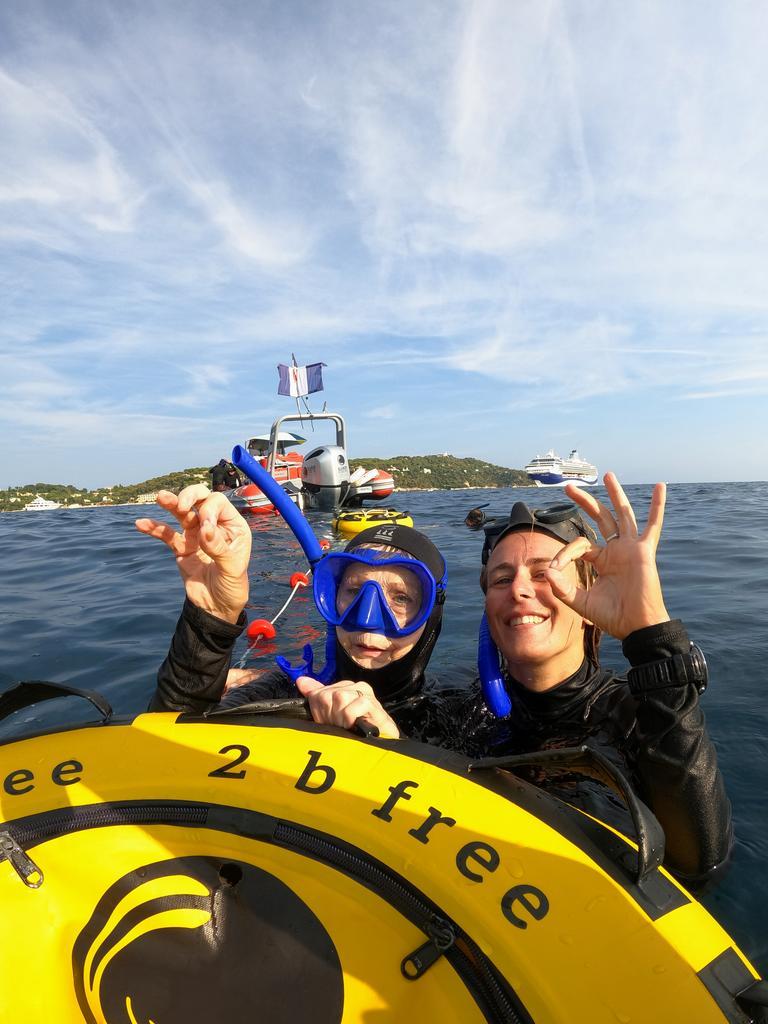
Practiced on the surface along the coastline while wearing a wetsuit, fins, mask, and snorkel, snorkeling is accessible to everyone, even those with no prior aquatic experience. The neoprene wetsuit provides natural buoyancy without effort; you simply need to kick gently to move forward, and you can keep your head above water as much as you like. The wonder of observing marine biodiversity combined with moderate physical exertion provides real physical and psychological benefits.

Healthy Swimming, Swimming with Fins

Held in a heated pool in a reserved lane, healthy swimming is open to everyone, including beginners. Fins make it easier to propel yourself through the water and provide a gentle workout, with a pleasant gliding sensation.

Static, Dynamic, & Deep Diving

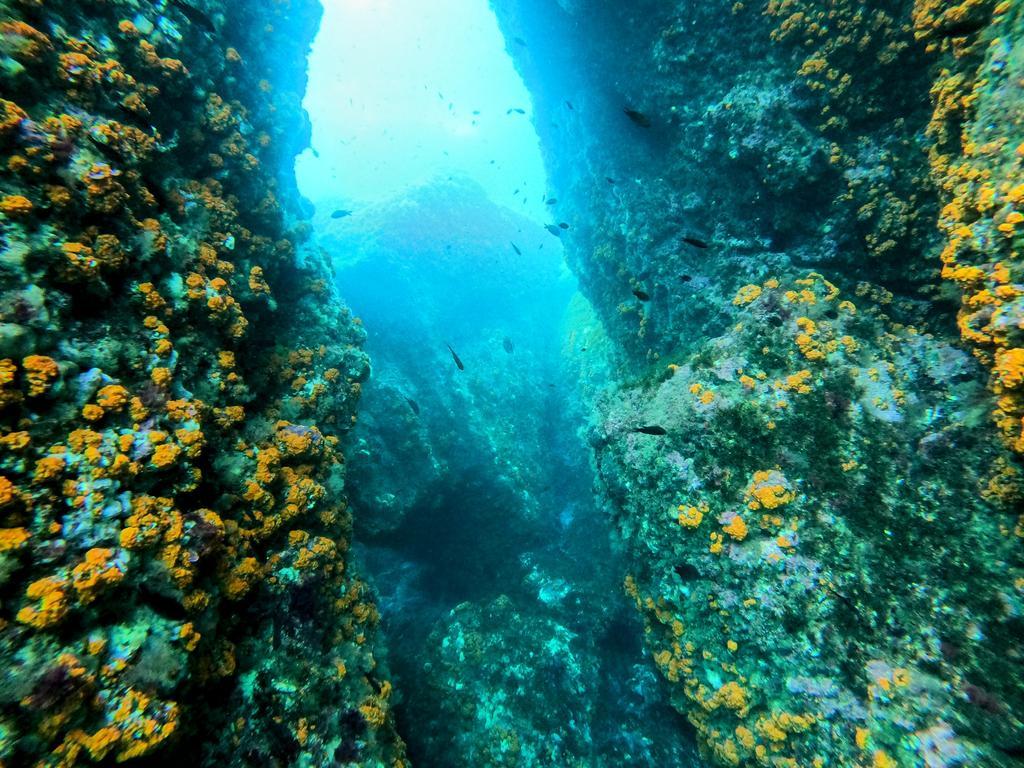
Static and dynamic diving take place in a heated pool, while deep diving is done in the ocean. Each session includes a brief theoretical lesson on the physiology of diving, technique, and physical and mental relaxation. Relax, take a breath… and set out to discover these unique sensations!
Would you like to find out more? Feel free to ask me!

How about learning to breathe properly?

Below are some common signs of hyperventilation: breathing that is too fast, too deep, or out of sync with the body’s actual needs. How many of these apply to you?

  • Breathing only through the mouth
  • Hearing your breath while at rest
  • Regular sighs
  • Regular sniffles
  • Irregular breathing
  • Holding your breath (apnea)
  • Taking deep breaths before speaking
  • Yawning with deep breaths
  • Movement of the upper chest
  • A lot of visible movement
  • Laboured breathing
  • Loud breathing at night

Chronic stress and the pressures of daily life promote shallow, rapid, and partial chest breathing. This breathing pattern limits the use of the diaphragm and abdominal muscles, reduces ventilatory efficiency, leads to increased energy expenditure, and results in less stimulation of physiological regulatory mechanisms.

How does breathing promote relaxation?

1. Breathing

→ The breathing rhythm sends a direct signal to the brain.

2. Vagus nerve

→ Slow, steady breathing stimulates the vagus nerve, the main communication channel between the body and the autonomic nervous system.

3. Parasympathetic system

→ This stimulation activates the parasympathetic branch, which is responsible for rest, recovery, and relaxation.

4. Physiological effects

→ Decreased heart rate
→ Lowered muscle tone
→ Calming of the nervous system
→ Reduced mental activity

5. Overall relaxation

→ The body relaxes
→ Emotions calm down 

→ Attention refocuses on internal sensations

And what about water in all this?

The diving reflex, also known as the immersion reflex, is an automatic physiological response triggered by submerging the face in water, especially when the water is cold. This mechanism, common to mammals, causes the body to immediately adapt in order to optimize oxygen use.

Specifically, this reflex causes a decrease in heart rate (bradycardia), a redistribution of blood flow to vital organs—particularly the heart and brain—and an overall slowing of metabolism. It is accompanied by activation of the parasympathetic nervous system, promoting a state of calm and relaxation.

To put it more poetically…

“It’s impossible to put into words the experiences you have underwater, when the water gently caresses your face and body, your heart rate slows, and your mind relaxes. Underwater, you are immediately cut off from the stress and hustle and bustle of daily life—no more ringing phones, text messages, or inboxes overflowing with emails, no more electricity bills or other everyday worries that consume our time and drain our energy. Nothing else reminds you of the surface except that held breath that keeps you anchored to life. There is nothing left but you and the growing pressure in your chest that feels like a loving embrace, and the vibrations of the deep, calm sea.” *Breatheology, the art of conscious breathing. Stig Åvall Severinsen.

Health Sports allows people with various medical conditions to benefit from sports activities prescribed by a doctor. The Water & Breathing program is tailored to you and your condition.

Let's get in touch

Our partners

Activities

Discover all the activities offered by Aïga viva: